Why Developers in the Philippines Are Choosing PEB Over Conventional Construction

The Philippine construction industry is standing at a crossroads. On one side lies tradition - the familiar rhythm of conventional construction, where steel and concrete are shaped on-site, workers welded under the sun, and progress is often at the mercy of weather. On the other side is innovation - the rise of Pre-Engineered Buildings (PEBs), a system that promises speed, resilience, and efficiency in a country where time and durability are not luxuries but necessities.

For decades, builders across the archipelago have relied on conventional methods to erect warehouses, factories, and commercial spaces. But the Philippines is not a forgiving environment. Typhoons sweep across Luzon and Visayas with relentless force, earthquakes shake foundations, and the tropical climate accelerates wear and tear. Add to this the rising costs of labor and materials, and industry faces a pressing question: Is conventional construction still the best way forward?
Increasingly, the answer is shifting toward PEBs. These factory-fabricated steel structures are redefining how projects are delivered, offering a faster, more controlled, and more resilient alternative. And at the forefront of this transformation is ESC Steel Structures Philippines, a company that has mastered the art of tailoring global engineering standards to the unique challenges of the local market.
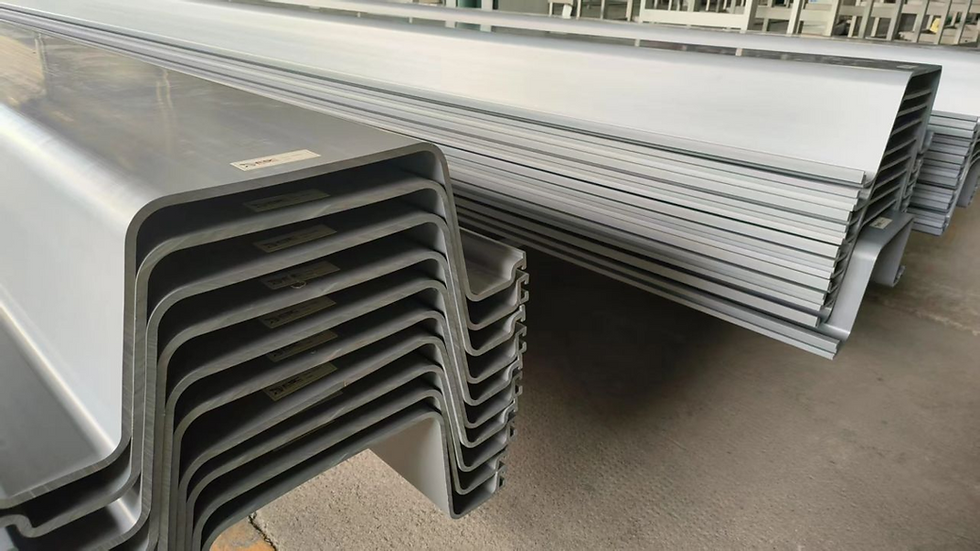
Imagine a building that arrives at your site almost like a kit — its components already fabricated under strict quality control, ready to be assembled with precision. That is the essence of PEB. Unlike conventional projects, which depend heavily on on-site labor, PEBs shift the complexity to the factory floor.

Here, steel members are designed using advanced 3D modeling, optimized for efficiency, and fabricated under international-grade standards. By the time they reach the project site, they are not raw materials but engineered solutions. Installation becomes a matter of assembly rather than improvisation, reducing reliance on weather conditions and minimizing delays.
For the Philippines, this is more than convenience. It is resilient. PEBs are engineered to withstand typhoons, seismic loads, and corrosion — threats that are not hypothetical but annual realities. In a country where downtime can mean millions in lost revenue, the ability to deliver a warehouse or cold storage facility in months rather than years is transformative.
Key Features of PEBs:
Standardized Sections: Optimized steel members designed for efficiency.
Factory-Made Components: Fabricated under strict quality control conditions.
Faster Installation: Reduced reliance on weather and labor availability.
Conventional Construction: Strengths and Struggles
To be fair, conventional construction has its place. It is the method that built the nation’s skyline, from high-rise towers in Makati to intricate cultural landmarks. Its strength lies in flexibility — the ability to accommodate complex architectural designs, multi-storey structures, and projects where concrete plays a dominant role.
PEB may not be ideal for:
Highly customized luxury architectural projects
Very small residential buildings
Multi-storey heavy concrete podium structures
Projects where fire-rating requirements heavily favor thick concrete
But in the Philippines, conventional methods often struggle. Progress is slowed by weather dependency; a single typhoon can halt work for weeks. Labor shortages and site conditions introduce unpredictability, while material wastage and rework inflate costs. What begins as a carefully budgeted project can quickly spiral into overruns.
For industrial and logistics facilities, where speed and cost efficiency are paramount, these limitations are hard to ignore.

The shift toward PEBs is not just about speed — though that is a major advantage. It is about aligning construction methods with the realities of modern Philippine projects.
Cost Efficiency: PEBs reduce labor requirements and minimize wastage. Optimized steel usage translates into predictable budgets, a critical factor in markets where margins are tight. With Conventional method, there are higher overhead and unpredictable variations.
Structural Performance: Engineered resilience ensures buildings can withstand typhoons and earthquakes, offering peace of mind to investors and operators. With Conventional method, performance depends heavily on workmanship quality.
Design Flexibility: Clear-span spaces make PEBs ideal for warehouses, factories, and hangars, while hybrid solutions allow aesthetic customization. With Conventional method, it is better suited for intricate architectural designs.
Quality Control: Factory precision with ISO-aligned QC/QA processes. Conventional has greater variability due to site conditions.
Sustainability: With less wastage and recyclable steel, PEBs contribute to greener construction practices. Conventional methods create more waste from cutting, grinding, and welding.
Developers prioritize:
Speed to market
Capital efficiency
Scalability
Operational flexibility
PEB improves ROI by:
Shortening construction schedules
Lowering financing costs
Allowing phased expansion
Reducing structural weight and foundation costs
For income-generating industrial properties, speed alone can significantly improve returns.
ESC Steel Structures Philippines has refined these advantages into a competitive edge. By combining international manufacturing capability with local technical expertise, the company delivers projects that meet global standards while addressing local challenges.
Advanced structural steel detailing using 3D modeling.
International-grade fabrication and delivery systems.
Compliance with ASTM, AISC, and the Philippine Structural Code
Proven ability to meet tight schedules without compromising quality.
Case Studies: Proof in Practice
The promise of PEBs is best illustrated through real projects. ESC’s portfolio in the Philippines offers compelling evidence:
Typhoon-Resistant Warehouse in Central Luzon: Delivered within six months, this facility demonstrated how engineered resilience can protect investments during extreme weather events.
Agricultural Cold Storage Facility: Wide-span design, minimal maintenance, and optimized energy efficiency reduced operational costs for the client.
Hybrid Commercial Structure: By blending PEB efficiency with conventional detailing, ESC created a multi-purpose facility that balanced speed with architectural flexibility.
Each case underscores a simple truth: PEBs are not theoretical solutions. They are practical, tested, and increasingly indispensable.

Choosing the Right Approach
Of course, the choice between PEB and conventional construction is not binary. It depends on the project’s nature. Logistics hubs, manufacturing plants, and agricultural facilities benefit most from PEBs, where speed and resilience are critical. Complex architectural projects, multi-storey commercial buildings, and structures requiring heavy concrete elements may still favor conventional methods.
This is where ESC’s hybrid approach shines. By offering both systems - and the ability to combine them - ESC Steel Structures Philippines can supply both PEB and integrated hybrid solutions.
The Bigger Picture: Building for the Future
The rise of PEBs in the Philippines is part of a larger narrative: the modernization of the construction industry. As the country continues to grow, demand for industrial and commercial facilities will only intensify. Meeting this demand requires methods that are not just faster but smarter.
PEBs represent that shift. They embody precision, efficiency, and resilience — qualities that align perfectly with the challenges of the Philippine environment. And with ESC Steel Structures Philippines, leading the charge, the industry is better equipped than ever to build structures that are not only functional but future ready.
Final Thoughts: Which Is Smarter for Philippine Developers?
There is no universal answer. The debate between PEB and conventional construction is not about which method is universally superior. It is about context. In the Philippines, where time, cost, and resilience are critical, PEBs offer a clear advantage for industrial and logistics projects. Conventional methods remain valuable for complex architectural endeavors, but the momentum is unmistakably shifting toward engineered solutions.
PEB is increasingly becoming the smarter, faster, and more scalable solution in the Philippines specially for the following applications:
Industrial parks
Logistics hubs
Manufacturing facilities
Large commercial storage spaces
ESC Steel Structures Philippines is more than a supplier in this transformation. It is a strategic partner, delivering world-class steel building systems tailored to local realities. For businesses seeking to build smarter, faster, and stronger, the choice is clear: embrace the future with PEBs.

If you’re ready to build smarter, faster, and stronger, ESC Steel Structures Philippines is here to partner with you. Whether you’re planning a logistics hub, a cold storage facility, or a hybrid commercial project, our team combines international engineering expertise with local insight to deliver solutions tailored to the Philippine environment.
Here’s how you can get started:
Request for Quotation – Get a customized proposal that matches your project’s requirements and budget.
Download our Catalogs – Explore detailed information about our engineered steel solutions and see how PEBs can transform your next project.
Schedule a Technical Consultation – Speak directly with our engineers and strategists to design the best-fit solution for your facility.
📞 +632 8526 8839
📍 Manila Office
12V 12F Cyber One Building,
11 Eastwood Avenue,
Eastwood City Cyberpark, Bagumbayan,
Quezon City, Philippines
📞 +63 920 504 3801
📍 Cebu Office
5/F Unit 534 Regus Park
Centrale Building, Apas,
IT Park, Cebu City, Philippines
T: +633 2494 9523