Steel vs. Vinyl Sheet Piles: Which Material Is Best for Your Project?

Sheet piles are ground retaining structural components that can be utilized for both temporary and permanent purposes. Sheet piles can be made from a variety of materials and shaped into different cross sections, such as U and Z sections.
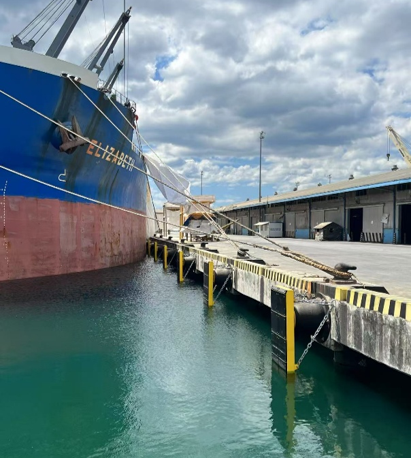
Across the United Sates, Sheet Piling contributes to almost all the construction project that requires soil protection, heavily on marine and transportation infrastructure, permanent buildings and Industrial water treatments.


ESC will provide a summary of the two materials that are frequently used in the production of sheet piles. These are the sheet piles composed of (1) steel and (2) vinyl. These two kinds of sheet piles, each with pros and cons of their own, will be compared and contrasted.
Steel Sheet Piles
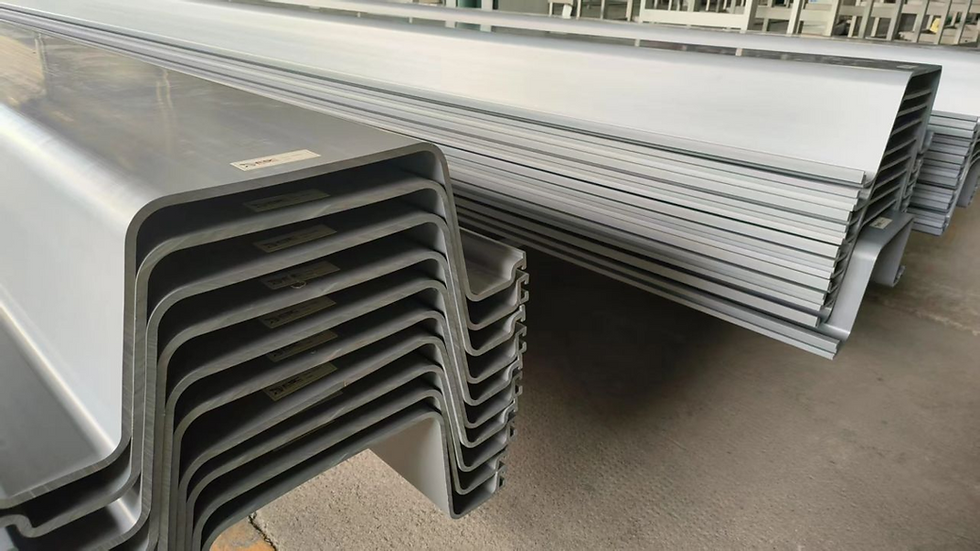
Steel Sheet Piles is the commonly used type of material for sheet piling that dominates the US market sharing at approximately 85 – 90 percent of usage. As Steel Sheet Piles are easier for consumers as well as users to reach. Sheet pile wholesalers and manufacturers normally hold a stock of steel sheet pile parts that are primarily purchased.

As Steel Sheet Pile has proven versatility suitable for permanent and temporary structures, deep foundations reaching 25 feet and beyond, bridges, ports, and heavy infrastructures. They are a component of an earth retaining system and have been proven to be effective and safe in resisting different design loads. Steel, as compared to vinyl/PVC, has a higher yield strength, usually ranging from 248.0 MPa (36.0 ksi) to 345.0 MPa (50.0 ksi).
Steel's greater yield strength allows the sheet piles to support higher design loads. The design loads that a sheet pile wall resists are often exaggerated owing to seismic influences and can control the appropriate sheet pile section to be erected at the site.

Steel sheet piles typically offer greater section modulus values, which makes them ideal for supporting deeper or taller soil retention applications. Their high section modulus also facilitates easier installation by reducing challenges during driving. These piles can be driven successfully through difficult soil or rock layers without seriously harming the pile toe thanks to their larger cross-sectional area, higher moment of inertia, and superior yield strength. This makes steel sheet piles a reliable alternative for robust and enduring deep foundation systems.
But as any other elements on earth, Steel Sheet Pile has its common disadvantages such as having higher maintenance requirement, higher material cost, installation complexity requiring larger cranes, vibratory hammers and extensive site preparation.
Because corrosion is the primary disadvantage of steel sheet piles, they are often protected with specialty coatings such as glass flake epoxy, coal tar epoxy, or hot-dip galvanization to enhance durability and reduce corrosion. Acting as physical barriers, these coatings shield the steel from corrosive agents and significantly extend its service life
Cathodic protection systems are also used, which entail the attachment of sacrificial anodes composed of alloys of zinc or aluminum. These anodes corrode preferentially, so preserving the steel piles electrically.

Vinyl Sheet Piles
With the fast-growing US market share of approximately 10 – 15 percent. Vinyl Sheet Piles are commonly used on residential seawalls and bulkheads, flood protection, riverbank protection and erosion control and making its way to Marine Structures at around 40% of the vinyl market share.
Vinyl Sheet Pile being made of plastic (PVC) it has an exceptional corrosion resistance when exposed to marine or brackish water environments, eliminating the need for corrosion protection. With it being lightweight, Vinyl Sheet Piles significantly increase in cost saving from transporting, installation and maintaining the Viny Seet Piles when applied to marine projects. Greater on chemical resistance and not susceptible to wood-boring organisms with aesthetically appealing look that doesn’t rust or deteriorate.

While steel sheet piles are known for their high strength, vinyl sheet piles exhibit quite different characteristics. Their lower modulus results in reduced yield and tensile strength, typically in the range of 40–46 MPa. This limited strength makes them suitable primarily for applications involving dense soils, as vinyl piles may buckle or crush at the pile toe under higher loads. Additionally, vinyl sheet piles are sensitive to environmental temperature variations, which can further affect their performance

Steel or Vinyl?
The choice between steel and vinyl sheet piles depends on project requirements and site conditions. Steel sheet piles remain the dominant option for heavy civil engineering works, deep excavations, and high-load applications, thanks to their superior strength and durability. Vinyl sheet piles, on the other hand, are increasingly favored for residential waterfronts, erosion protection, and light commercial projects, where corrosion resistance and lower structural demands are key considerations.
To achieve a safe and cost-effective solution, design engineers should collaborate closely with providers, contractors, and other stakeholders in evaluating project needs and selecting the most appropriate sheet pile system.
For proven performance and expert guidance, explore ESC’s steel and vinyl sheet piles by visiting www.escsteel.com.
ESC Marine & Foundation Piling Catalog 
ESC Vinyl Sheet Pile Catalog
You can browse our catalogs, connect through the Contact Us page, or discuss your project directly with our specialists by sending an email to info@escsteel.com or call Tel: 980 689 4388. Expect a prompt response and a personalized assistance.